Motorcycle hand signals are a standardized system of nonverbal communication used to improve safety, coordination, and awareness while riding. A motorcycle hand signals guide covers essential directional signals, group ride communication, and rider-to-rider alerts that help bikers understand what motorcycle hand signals mean in real-world situations. These signals are especially important for group travel, where clear communication ensures smoother formation control and safer riding conditions.
At Yuba City Harley-Davidson, riders and drivers alike can expect a team focused on supporting every stage of the ownership experience. From sales and service to parts and ongoing maintenance, we are here to provide straightforward help and dependable support. Contact us today or visit the dealership to learn more and get the assistance you need.
Essential Directional Signals Every Rider Should Know
Directional communication is the foundation of safe riding. These common biker hand signals are used universally to indicate turns, stops, and changes in movement. Whether you are riding solo or in a group, these signals ensure that other riders and drivers understand your intentions clearly before you make a move.
Left turn signal
The left turn signal is one of the simplest and most frequently used gestures on the road. It helps communicate lane changes and upcoming turns well in advance.
- Extend your left arm straight out.
- Keep your hand open and steady
- Use it early, so others have time to react
This signal is especially useful during group rides when multiple riders must follow the same route without confusion.
Right turn signal
Unlike cars, motorcycles rely on arm positioning to indicate a right turn. This helps maintain visibility and consistency across all riders.
- Extend your left arm outward
- Bend your arm upward at a 90-degree angle
- Keep your palm facing forward
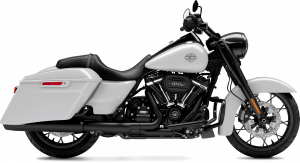
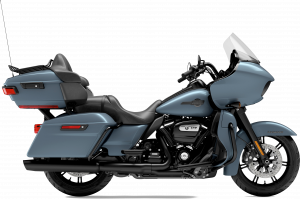
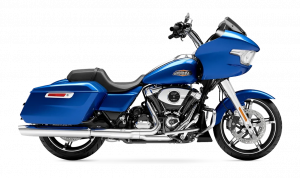
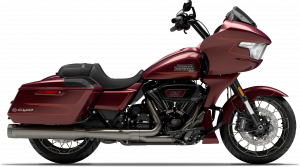
On longer rides, such as cruising on a Harley-Davidson Road Glide, this signal becomes second nature, especially when navigating highways or city intersections.
Stop signal
The stop signal alerts riders behind you that you are slowing down or coming to a complete stop. It is one of the most important safety signals in group riding.
- Extend your left arm downward at a 90-degree angle
- Keep your palm facing backward toward riders behind you
- Signal early before braking
This helps prevent sudden braking situations and keeps the entire group riding smoothly and safely.
Why directional signals matter in everyday riding
These basic movements may seem simple, but they play a critical role in road safety. They reduce guesswork and help maintain predictable movement, especially in traffic or unfamiliar areas.
Key benefits include:
- Clear communication with other riders and drivers
- Safer lane changes and turns
- Improved coordination during group rides
- Reduced risk of sudden stops or confusion
Staying consistent on every ride
The key to effective signaling is consistency. Every rider in the group should understand and use the same common biker hand signals to avoid miscommunication.
Motorcycle Group Ride Signals for Formation and Safety
Group riding adds a different level of enjoyment to motorcycling, but it also requires structure and communication. That is where motorcycle group ride signals become essential. They help riders maintain formation, respond to road conditions, and keep the entire group moving safely and predictably.
Formation control for smoother group movement
One of the main goals in group riding is staying organized on the road. Clear signals help riders understand when to shift positions without disrupting flow or spacing.
Key formation signals include:
- Single file signal: left arm raised with one finger pointing upward
- Double file signal: left arm raised with two fingers extended
- Return to staggered formation when conditions allow
These signals are especially useful when riding in traffic or transitioning between open highways and tighter roads around the Yuba City area, where conditions can change quickly.
Hazard awareness and quick communication
Road conditions are not always predictable. Gravel, debris, potholes, or uneven pavement can appear suddenly, and group communication helps reduce risk.
Common hazard signals include:
- Pointing to the ground on the left side for left-side hazards
- Using the right foot to indicate right-side hazards
- Early signaling gives riders time to react
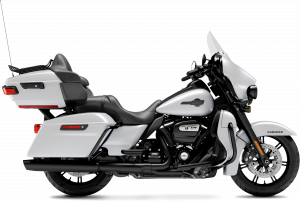
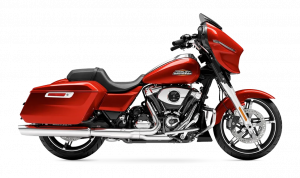
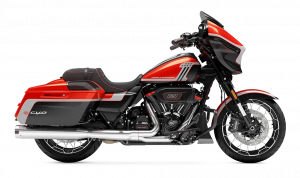
On longer rides, such as touring on a Harley-Davidson Street Glide, these quick signals become part of a natural rhythm that keeps the group aligned and alert.
Safety alerts every rider should recognize
Beyond formation and hazards, group ride signals also help riders stay aware of external conditions and traffic situations.
Important safety signals include:
- Hand tapping the helmet to indicate police presence ahead
- Waving motion downward to signal slowing down
- Pointing to the gas tank for fuel stop requests
These simple gestures allow the group to respond together without confusion or delay.
Why consistency matters in group riding
The effectiveness of motorcycle group ride signals depends on every rider using them the same way. Inconsistent signals can lead to miscommunication, spacing issues, or unnecessary braking.
Consistency ensures:
- Predictable group movement
- Safer spacing between riders
- Faster reaction to road changes
- Improved confidence for newer riders
Riding together with confidence
Group riding is about more than just traveling together. It is about shared awareness and trust on the road. When signals are clear and understood, the entire experience becomes smoother and more enjoyable.
Communication Signals for Stops, Fuel, and Rider Comfort
Long rides are not just about movement; they are about coordination, timing, and knowing when the group needs to pause. That is where Harley Davidson riding signals for stops, fuel, and comfort play a major role. These signals help riders communicate needs clearly without breaking formation or slowing reaction time.
Whether the ride is a quick afternoon cruise or a full-day trip through open highways, clear communication keeps everyone aligned and comfortable.
Fuel stop signals for group coordination
Running low on fuel can disrupt a ride if it is not communicated early. That is why riders use simple, standardized gestures to signal when it is time to refuel.
Common fuel-related signals include:
- Pointing directly to the gas tank with an index finger
- Signaling early to allow the group to plan a stop
- Coordinating with the lead rider before exiting the route
On longer rides, especially when touring on a Harley-Davidson Road Glide, this type of communication ensures no one is left behind or forced to break formation unexpectedly.
Comfort and rest stop communication
Comfort signals are just as important as fuel signals, especially during extended rides where fatigue can build over time.
Typical comfort-related signals include:
- Shaking a clenched fist to indicate a rest or comfort stop
- Making a drinking motion to signal hydration needs
- Gesturing toward the group leader to pause at a safe location
These signals are especially useful on scenic rides where groups may travel long distances without frequent stops, such as cruising through rural stretches outside Yuba City.
Maintaining group rhythm on longer rides
Even experienced riders benefit from consistent communication during extended travel. When everyone understands the same signals, the group can maintain a steady rhythm without unnecessary confusion or delay.
Key benefits include:
- Smoother coordination during long-distance rides
- Reduced risk of rider fatigue or missed stops
- Better planning for fuel and rest breaks
- Improved overall group comfort and safety
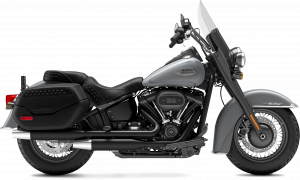
On touring-style bikes like a Harley-Davidson Street Glide or Harley-Davidson Heritage Classic, these signals become part of a natural riding flow, especially on multi-hour journeys.
Why comfort signals improve the ride experience
A group ride is only enjoyable when everyone feels included and comfortable. Small signals allow riders to speak up without interrupting the ride or breaking focus.
This helps ensure:
- No rider is pushed beyond their comfort level
- Stops are planned rather than reactive
- The group stays connected and aware
- The overall ride remains enjoyable from start to finish
Riding prepared for every mile
Clear communication is what transforms a simple ride into a coordinated experience. When riders understand how to signal for fuel, rest, and comfort, the entire group benefits from smoother travel and fewer disruptions.
Why Motorcycle Hand Signals Still Matter on Today’s Roads
Even with advanced bike technology and modern communication systems, hand signals remain a core part of rider safety and awareness. A well-understood motorcycle hand signal guide is still essential because not every situation allows for voice communication or electronic devices to do the job. On busy roads, open highways, or group rides, clear visual communication can make the difference between smooth coordination and confusion.
Communication that never depends on technology
Motorcycles do not offer the same enclosed communication systems as cars, which makes nonverbal signaling especially important. Riders rely on simple, universal gestures that can be understood instantly, even at a distance or in noisy conditions.
This becomes even more noticeable when riding in groups, where one missed signal can affect everyone behind you. Riders on models like the Harley-Davidson Heritage Classic often experience this during longer, more relaxed rides where group coordination is key.
Real-world riding situations where signals matter
Hand signals are not just theoretical. They are used constantly in everyday riding scenarios, especially in areas with mixed traffic or changing road conditions.
Common situations include:
- Communicating lane changes in heavy traffic
- Alerting riders behind you to road hazards
- Coordinating stops for fuel or rest breaks
- Maintaining safe spacing in group rides
In each of these cases, a clear signal reduces uncertainty and keeps riders connected without verbal communication.
Why group riding depends on consistency
In group settings, consistency matters more than anything else. A standardized system ensures that every rider interprets signals the same way, regardless of experience level or bike type.
A reliable motorcycle hand signals guide helps riders:
- Stay aligned during formation riding
- React quickly to changing road conditions
- Maintain safe distances and predictable movement
- Avoid miscommunication during long-distance rides
Staying connected on every ride
Whether it is a solo cruise or a group ride through open highways, hand signals remain one of the most dependable tools a rider has. They require no batteries, no setup, and no technology, just awareness and consistency.
What are the most important motorcycle hand signals to know?
The most important motorcycle hand signals to know are left turn, right turn, stop, slow down, hazard alerts, and group formation signals such as single file and double file riding.
How do you signal a left turn on a motorcycle?
A left turn is signaled by extending your left arm straight out horizontally with your hand open and facing forward or downward.
What does a closed fist mean in motorcycle riding?
A closed fist raised and shaken typically signals a comfort or rest stop request in group riding situations.
How do you signal fellow riders to speed up or slow down?
To slow down, extend your left arm outward and move it downward in a steady motion; there is no universal hand signal for speeding up, as group riding typically relies on maintaining a set pace and formation.
Why are hand signals important for group motorcycle rides?
Hand signals are important for group motorcycle rides because they provide clear, immediate communication for safety, coordination, and awareness when verbal communication or electronic systems are not practical.
Ride Smarter with Yuba City Harley-Davidson
Mastering motorcycle hand signals is a key part of safe group riding and clear communication on the road. These signals help riders stay coordinated, reduce risk, and respond quickly in changing conditions.
For riders looking to build more confidence beyond the basics, you can also explore related topics like normal “is this okay?” moments with a newer Harley-Davidson, the benefits of Harley-Davidson membership, and what to know about financing a motorcycle in California. Each one helps you become a more informed and prepared rider.
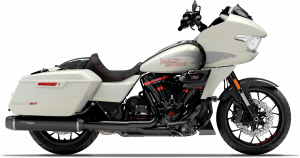
At Yuba City Harley-Davidson, riders can browse our new inventory and find models like the Heritage Classic, Road Glide, and Street Glide. You can also apply for financing online to make your next bike more accessible. Visit us today to explore available motorcycles, get answers to your questions, and take the next step toward your ride.
Contact Yuba City Harley Davidson
Get Directions to Yuba City Harley Davidson
Disclaimer: All information is provided for general informational and entertainment purposes only. While we strive for accuracy, we cannot guarantee that all content is complete, current, or error-free. Any reliance you place on such information is strictly at your own risk. This article may include opinions and is not endorsed by, or officially affiliated with, any vehicle manufacturer or brand. Always consult official sources – such as the vehicle’s owner’s manual, authorized dealerships, or certified professionals – for the most up-to-date and personalized information.